
Summary:
- If in doubt, arrange someone to drive you.
- Many people feel fine, but short-term effects (dizziness, numbness, weakness, pain flare) can impair safe driving.
- Lower-limb injections (hip, knee, foot) are more likely to affect pedal control.
- Wait at least 15 minutes post-procedure to ensure symptoms settle; longer if you feel off.
- Insurance could be at risk if you drive while impaired.
- Sonoscope’s Hertfordshire clinics provide ultrasound-guided injections and personalised aftercare advice.
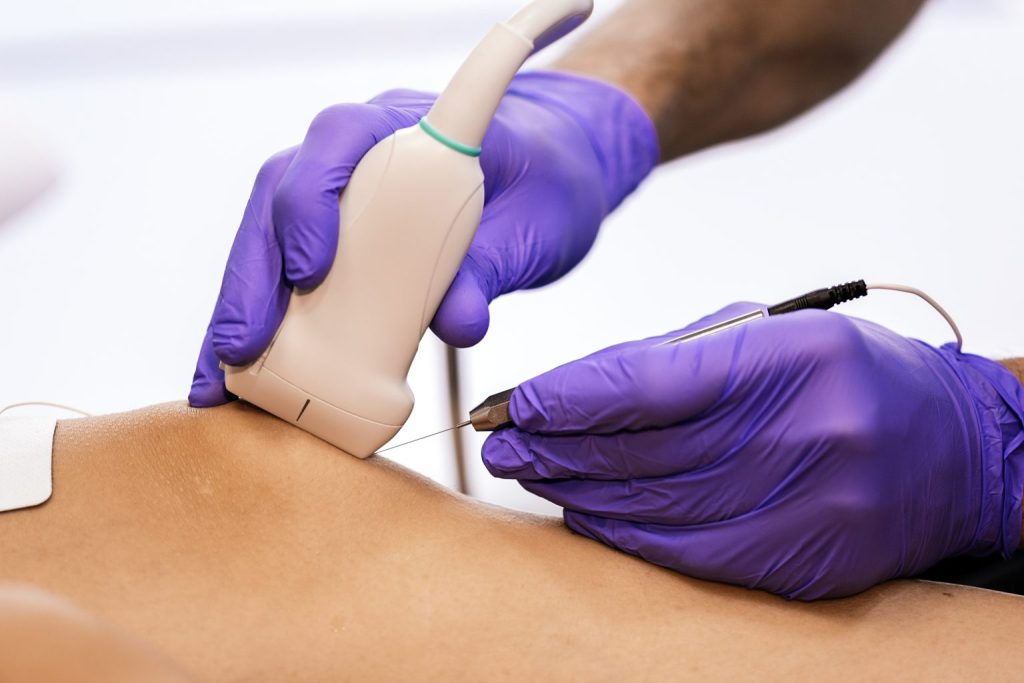
Steroid injections are a common and effective way to reduce pain and inflammation, especially when guided by ultrasound for precision. The general advice is to be as safe as possible and, if you’re unsure, bring someone to drive you. Many people are unaffected by a steroid or local anaesthetic injection, but understanding potential side effects helps you make a balanced, informed decision.
Why Driving After a Steroid Injection May Be Risky
Short-term effects can affect your ability to drive safely. Possible symptoms following a steroid or local anaesthetic injection include dizziness or light-headedness, temporary weakness or numbness near the injected area, and a general feeling of unsteadiness or fatigue. At Sonoscope’s Hertfordshire ultrasound-guided injection clinics, patients are usually advised to stay in the waiting area for around 15 minutes after the procedure to ensure any temporary side effects have settled before travelling home.
The Effects of Local Anaesthetic
Many steroid injections include a local anaesthetic to numb the area. This can cause temporary numbness, weakness, or altered sensation, particularly if the injection site involves muscles or joints used for driving. If you notice reduced control or sensitivity, do not drive until normal function returns.
Location of Injection Matters
Injections in the lower limbs, such as the hip, knee, or foot, can temporarily affect your ability to operate the pedals for accelerating and braking. If your injection was in these areas, it’s safest to arrange for someone to drive you home or use alternative transport.
Post-Injection Flare
A temporary increase in pain, known as a “steroid flare,” can occur within the first 24 to 48 hours after the injection. This sudden pain can be distracting and may reduce your ability to react quickly, particularly if you need to perform an emergency stop. If you experience a flare, postpone driving until symptoms settle.
Insurance and Legal Considerations
Some insurance policies may not cover you if you drive while impaired after a medical procedure. If you were involved in an accident and it was determined that the injection affected your ability to drive, your insurance could be invalidated. Check your policy, and if you’re unsure, err on the side of caution and avoid driving.
Professional Guidance and Aftercare
At Sonoscope, our clinicians provide ultrasound-guided steroid injections with personalised aftercare to support a safe recovery. If you’re in Hertfordshire and have questions about driving, working, or exercising after an injection, our musculoskeletal specialists can advise based on your condition and the injection site.
Bottom Line
If you feel dizzy, weak, numb, unusually sore, or even just uncertain about your control or concentration, don’t drive. Wait until you feel fully capable, or arrange a lift. Your safety, and the safety of others, comes first.
Ready to speak with a clinician?
Sonoscope provides ultrasound-guided steroid injections across Hertfordshire. Book online or call us on 07999 923 844.